The Benefits of Installing Eco-Friendly Sliding Doors in Your Home
Energy-efficient sliding doors offer a practical solution for homeowners looking to improve their living spaces. These doors not only improve insulation but also allow for an abundance of natural light, which can revolutionize the ambiance of any room. Their modern design can enhance a home's aesthetic appeal and market value. However, the benefits extend beyond aesthetics and comfort, encouraging a closer examination of their overall impact on home efficiency. What factors should homeowners remember?

How Patio Doors Resolve Energy Efficiency Challenges?
Sliding doors, while visually appealing, also play a crucial role in increasing energy efficiency within homes and commercial spaces. Their design enables ample natural light, reducing the need for electric illumination during the day. This natural illumination not only enhances interiors but also produces lower energy consumption.
Additionally, modern patio doors are commonly equipped with advanced sealing and high-quality glazing, which minimize air in-depth article leakage. This avoids drafts and helps keep a consistent indoor temperature, ultimately reducing heating and cooling costs.
In addition, the large glass panels can be fashioned to reflect heat during the summer and retain warmth in the winter, additionally contributing to energy savings. By integrating sliding doors into their architecture, homeowners and businesses can find a balance between style and green living, causing a more efficient energy footprint while enhancing the overall ambiance of their spaces.
Ways Glass Doors Strengthen Your Home's Insulation
Though many residents focus on aesthetics, the insulation advantages of sliding doors are just as important. High-performance sliding doors are engineered to reduce heat transfer, successfully keeping residences warmer in winter and cooler in summer. They often include multi-chambered frames and insulated glass, which work together to decrease energy loss.
Moreover, these doors often come with weather stripping that blocks drafts, further enhancing thermal performance. By making the seal tighter, sliding doors maintain a stable indoor temperature steady, reducing the dependence on heating and cooling systems. This not only produces increased comfort but also contributes to lower energy bills.
Also, quality insulation can lessen noise from outside external to the home, developing a more serene living space. Ultimately, the insulation characteristics of energy-efficient sliding doors offer practical advantages that enhance the home's thermal efficiency while assuring a restful living environment.
Why Sunlight Illumination Matters in Your House?
Natural light plays a significant role in improving the ambiance and functionality of a home. It generates an appealing ambiance, causing spaces to feel larger and more open-air. The presence of natural light also supports mood and well-being, resulting in a more cheerful living environment. Studies show that exposure to natural daylight can boost productivity and focus, making it especially beneficial in home workspaces.
Additionally, natural light can minimize energy consumption by limiting the need for artificial lighting during the day. This not only cuts electricity bills but also reduces the overall ecological consequences. Moreover, homes inundated with natural light often appear more visually attractive, accentuating interior design elements more proficiently. By installing energy-efficient sliding doors, homeowners can amplify the flow of natural light while maintaining energy efficiency, ultimately enhancing both comfort and aesthetic quality in their living spaces.
Boosting Curb Appeal With Sliding Doors
Choosing energy-efficient sliding doors can substantially enhance a home's curb appeal, because they combine performance with contemporary styling. These doors work as a striking focal point, attracting notice and inviting passersby to appreciate the home's décor. Present in various styles and finishes, eco-conscious glass doors can work with distinct architectural styles, from up-to-date to conventional.
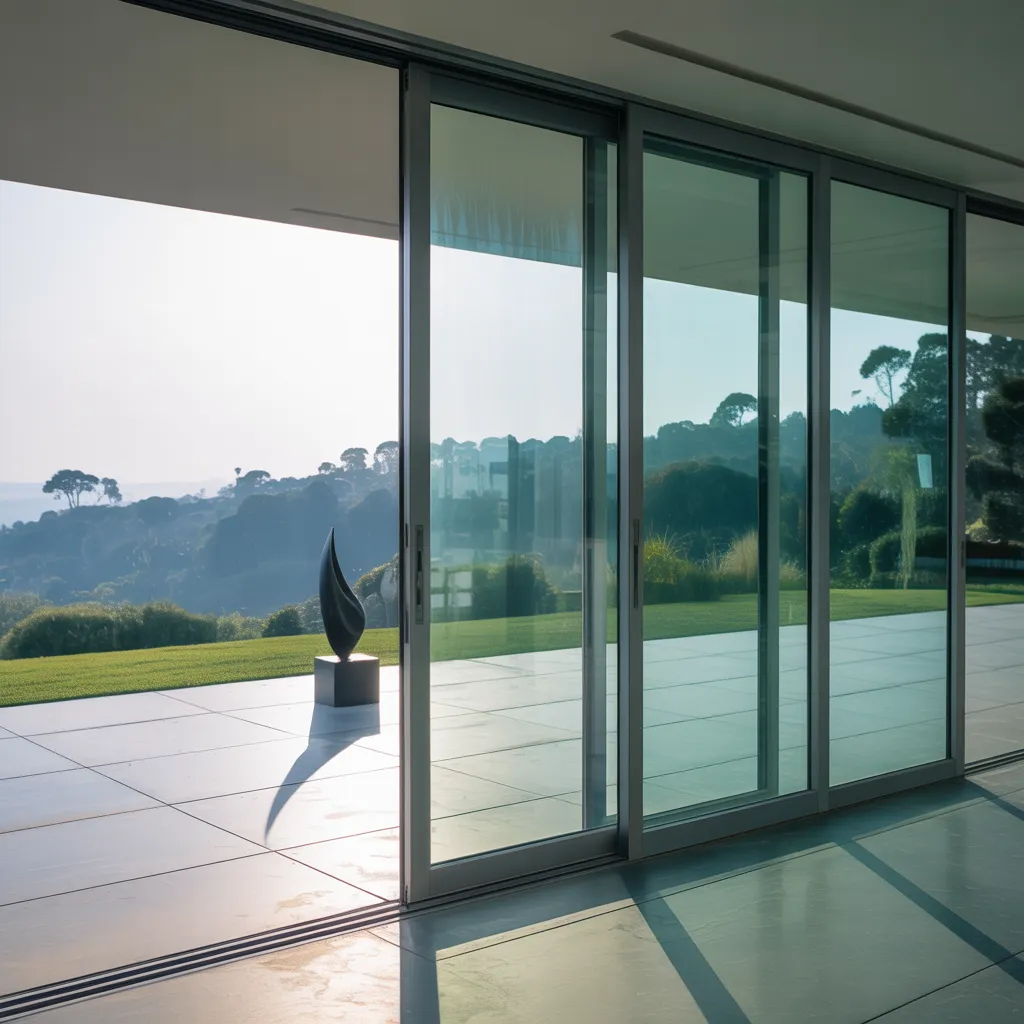
The expansive glass panels enable natural light to flood interior spaces, creating an appealing atmosphere that extends the living area outdoors. This fluid transition enhances the home's overall appeal, making it seem larger and more open. Additionally, homeowners can opt for options that reflect their personal style, cementing their unique identity.
Furthermore, the sleek lines and simple aesthetic of glass doors promote a modern look, rendering the property increasingly appealing to potential buyers. By investing in eco-friendly glass doors, homeowners not only enhance the visual appeal but also boost the property's worth and market appeal.
Selecting Components for Energy-Efficient Sliding Doors
Selecting appropriate materials for energy-efficient sliding doors is paramount to maximizing their performance and design appeal. Well-known materials include vinyl, fiberglass, and wood, each providing unique benefits. Vinyl is noted for its excellent insulation properties and minimal maintenance requirements, making it a popular choice. Fiberglass furnishes durability and immunity to warping, while also delivering good energy efficiency. Wood, though lovely, often requires increased maintenance and may need additional insulation to meet energy standards.
The selection of glazing also plays a important role. Double or triple-pane glass with low-emissivity coatings can markedly cut heat transfer, advancing energy efficiency. Additionally, selecting frames with thermal breaks can more optimize insulation. Ultimately, a careful evaluation of material options, blended with energy-efficient features, guarantees that sliding doors not only elevate the home's visual appeal but also contribute to decreased energy costs and increased comfort.
A Guide to Installing Eco-Friendly Sliding Doors
Putting in energy-efficient sliding doors requires careful planning and execution to guarantee excellent functionality and lasting durability. First, the present frame must be measured accurately to ascertain a proper fit. The taking out of the prior door should be done cautiously, avoiding damage to the nearby walls. Once the area is prepared, the new sliding door can be placed within the opening. Ensuring that the door is level and plumb is essential; spacers may be required for modifications. After anchoring the door, good sealing around the frame is critical to prevent air leaks. The setup should include weather stripping to boost thermal performance. Finally, the door movement should be evaluated to ensure fluid motion and tight locks. This methodical approach not only improves energy conservation but also contributes to the aesthetic appeal and functionality of the home.
Essential Practices for Preserving Sliding Doors
Proper installation of energy-efficient glass doors lays the groundwork for their longevity, but regular upkeep is equally essential to verify maximum performance. Frequent cleaning is vital; tracks should be cleared of dirt and debris to avoid blockages and guarantee seamless functioning. Property owners should inspect the weatherstripping on a regular basis for any wear or damage, changing it as required to preserve energy efficiency.
Applying silicone lubricant to the track system can improve performance and reduce wear. It is also recommended to check the alignment of the doors; misalignment can lead to gaps, which compromises energy efficiency. Additionally, inspecting the glass for cracks or chips will help avoid further damage and energy loss. By following these guidelines, homeowners can extend the lifespan of their sliding doors while maximizing their energy-saving benefits. Consistent upkeep not only enhances aesthetics but also contributes to overall home comfort.|Using silicone lubricant on the track components can increase functionality and reduce deterioration. It is also important to verify door alignment; misalignment can create gaps, which impacts energy efficiency. Additionally, examining the glass for damage or defects will help avoid further harm and energy loss. By implementing these recommendations, homeowners can prolong the life of their sliding doors while maximizing energy-saving benefits. Routine maintenance not only improves appearance but also supports overall home comfort.|Applying silicone lubricant to the track system can enhance functionality and reduce wear. It is also recommended to check the alignment of the doors; misalignment can create openings, which compromises energy efficiency. Additionally, inspecting the glass for cracks or chips will help avoid further damage and energy loss. By following these guidelines, homeowners can prolong the life of their sliding doors while maximizing their energy-saving benefits. Regular maintenance not only improves appearance but also supports household comfort levels.|Treating the track system with silicone lubricant can increase functionality and minimize wear. It is also essential to assess alignment accuracy of the doors; misalignment can result in openings, which compromises energy efficiency. Additionally, checking the panes for cracks or chips will help prevent additional damage and energy loss. By adhering to these best practices, homeowners can prolong the life of their sliding doors while optimizing energy efficiency gains. Routine maintenance not only improves appearance but also contributes to overall home comfort
Frequently Asked Questions
How Much Do Average Energy-Saving Sliding Doors Cost?
Common pricing for energy-conserving sliding doors typically ranges from $800 to $3,000, reliant on materials, size, and installation. Homeowners need to deliberate on long-term savings on energy bills when appraising their investment in these doors.
What Differences Exist Between Sliding Doors and Traditional Doors Regarding Energy Efficiency?
Sliding doors commonly provide superior energy efficiency in comparison to traditional doors, primarily because of their advanced insulation and sealing technologies. This design minimizes air leaks, boosting thermal performance and decreasing heating and cooling costs in homes.
Is Retrofitting Existing Doors a Feasible Option for Better Energy Efficiency?
Retrofitting current doors for improved energy performance is possible through weather stripping, adding insulation, or installing energy-efficient glass. These modifications can improve insulation and reduce energy loss, making older doors more efficient without complete replacement.
Do Energy-Efficient Sliding Doors Eligible for Financial Incentives or Refunds?
Energy-efficient sliding doors may be eligible for tax credits or rebates, based on local and federal programs. Homeowners should verify specific eligibility requirements and consult with tax professionals to increase potential financial benefits.
Which Warranties Can You Find for Energy-Efficient Sliding Doors?
Different protections for energy-efficient sliding doors offer manufacturer protections, which frequently cover defects for 10-20 years, and limited lifetime warranties that may cover specific components. Homeowners should examine terms to ensure adequate protection against potential issues.